
Ghost Town in the Pines: Exploring Double Trouble Village
The New Jersey Pine Barrens are a place of mystery—home to 1.1 million acres of sandy roads, “tea-colored” water, and the legendary Jersey Devil. But hidden within the forests of Ocean County lies a beautifully preserved ghost town that tells the story of New Jersey’s industrial past.
Double Trouble State Park, spanning Berkeley and Lacey Townships, is the remnant of a once-thriving company town. For nearly a century, this secluded village churned out two of the region’s most valuable resources: Atlantic White Cedar lumber and cranberries.
Today, the village stands frozen in time. With 14 original historic structures remaining, visitors can walk the sandy streets of a community that was once entirely self-sufficient, from its own schoolhouse to its own general store.
How Did It Get That Name?
The name “Double Trouble” is one of the most memorable in the state, and its origin is rooted in local folklore.
The legend dates back to the 1770s. Thomas Potter, an early sawmill operator, built an earth dam on Cedar Creek to power his mill. However, the dam was plagued by heavy rains and gnawing muskrats.
- Trouble: After the first heavy rain blew out the dam, Potter reportedly shouted, “Here’s trouble!”
- Double Trouble: After he repaired it, a second storm (or perhaps those pesky muskrats) broke the dam again, leading him to cry, “Here’s double trouble!”
The name stuck, eventually becoming the official moniker for the land and the company that would later operate there.
The Era of White Cedar
Before cranberries took over, the “gold” of the Pine Barrens was Atlantic White Cedar.

These trees, which grow in the wetlands of the park, were prized for being rot-resistant and lightweight. They were essential for boatbuilding and for making shingles for homes throughout the colonies. The vernacular architecture of the village structures—many of which are shingled—is a testament to this local resource.
The Cranberry Boom
In 1904, the land was purchased by Edward Crabbe and the Bunker brothers. They formed the Double Trouble Company.
By this time, much of the prime cedar had been harvested, so Crabbe pivoted to a new industry: Cranberries. The acidic soil and abundant water of the Pine Barrens made it the perfect environment.
Between 1910 and 1926, the company expanded the operation to 260 acres of bogs. They were innovators, using a system of dams and gates to flood the fields for harvest. At its peak, Double Trouble was one of the ten largest cranberry producers in New Jersey, and the Mill Pond Bog was the largest operating bog in the state.
A Walk Through the Village
The village wasn’t just a workplace; it was a home. It included a general store, a school, a maintenance shop, and housing for the workers. Here are a few highlights you can see today:
- The Schoolhouse: The oldest remaining structure in the village, operating from 1893 to 1915. It served the children of the permanent workers.

- The General Store (c. 1920): This was the lifeline of the village, selling essentials like flour, pork, oatmeal, and sugar to workers who lived miles away from the nearest town.

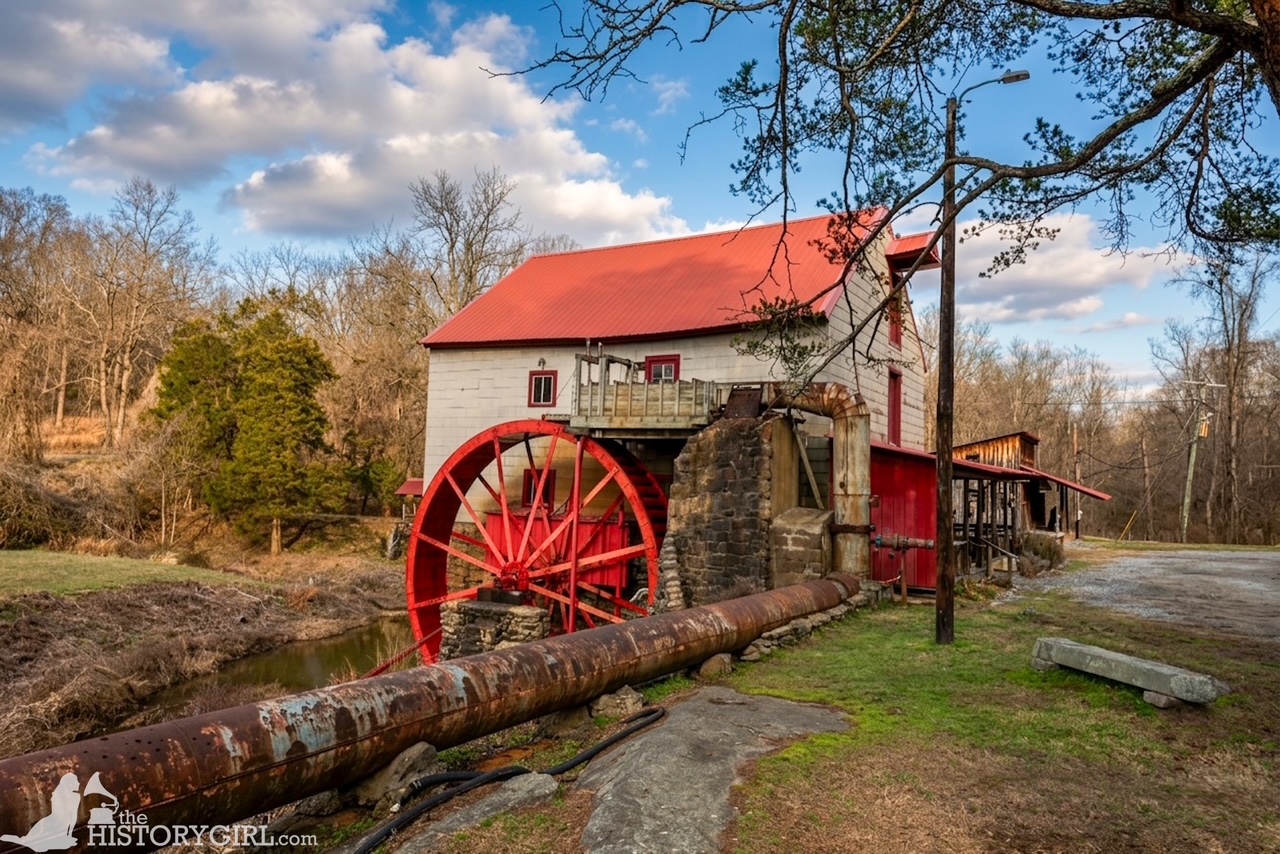
- The Sawmill (c. 1909): A restoration triumph. While the original 1765 mill is gone, this “modern” steam-powered mill produced the lumber used to build the crates for shipping cranberries.

- The Packing House (1909-1925): The heart of the operation. After harvest, berries were brought here to be sorted by size and bounce. (Fun fact: A good cranberry bounces! If it didn’t bounce, it was discarded).

- The Pickers’ Cottages: During the harvest (September to Thanksgiving), migrant workers—often families from Philadelphia—would arrive to pick berries by hand. They lived in small wooden cottages and bunkhouses that still line the village streets today.

Double Trouble Today
In 1964, the State of New Jersey purchased the land to protect the Cedar Creek watershed. The village was placed on the National Register of Historic Places in 1978.
For decades, the cranberry bogs continued to be harvested by leaseholders. However, as of recent years, commercial harvesting has ceased at the park. The bogs remain a stunning visual feature of the landscape, managed now for ecological health and fire safety rather than fruit production.
Why You Should Visit: The park offers more than just history. Cedar Creek is one of the best canoeing and kayaking spots in New Jersey, winding through the dark, tea-colored waters of the Pine Barrens. The sandy roads that once carried trucks of cranberries are now perfect for hiking and biking.
If You Visit
- Location: 581 Pinewald Keswick Rd, Bayville, NJ 08721
- Admission: Free.
- Tours: Guided tours of the village and the interior of the Sawmill/Packing House are available seasonally. Check the state park website for the current schedule.
- Activity: Bring a kayak! The paddle down Cedar Creek offers views of the unique “drunken forests” of the Pine Barrens.


Leave a Reply