
Mayhem in Matawan: From Revolutionary Raids to Apex Predators
Today, Matawan, New Jersey, is a serene, close-knit suburb in Monmouth County. But beneath its quiet exterior lies a history marked by extraordinary mayhem. Once a bustling colonial port and an early industrial powerhouse, Matawan has been the stage for a Revolutionary War raid, a world-famous shark attack, and one of the largest explosions in American history.
While the town’s days as a deep-water port have faded into the annals of history, the stories of its survival remain etched into its historic landmarks.
The Burrowes Mansion: War on the Doorstep
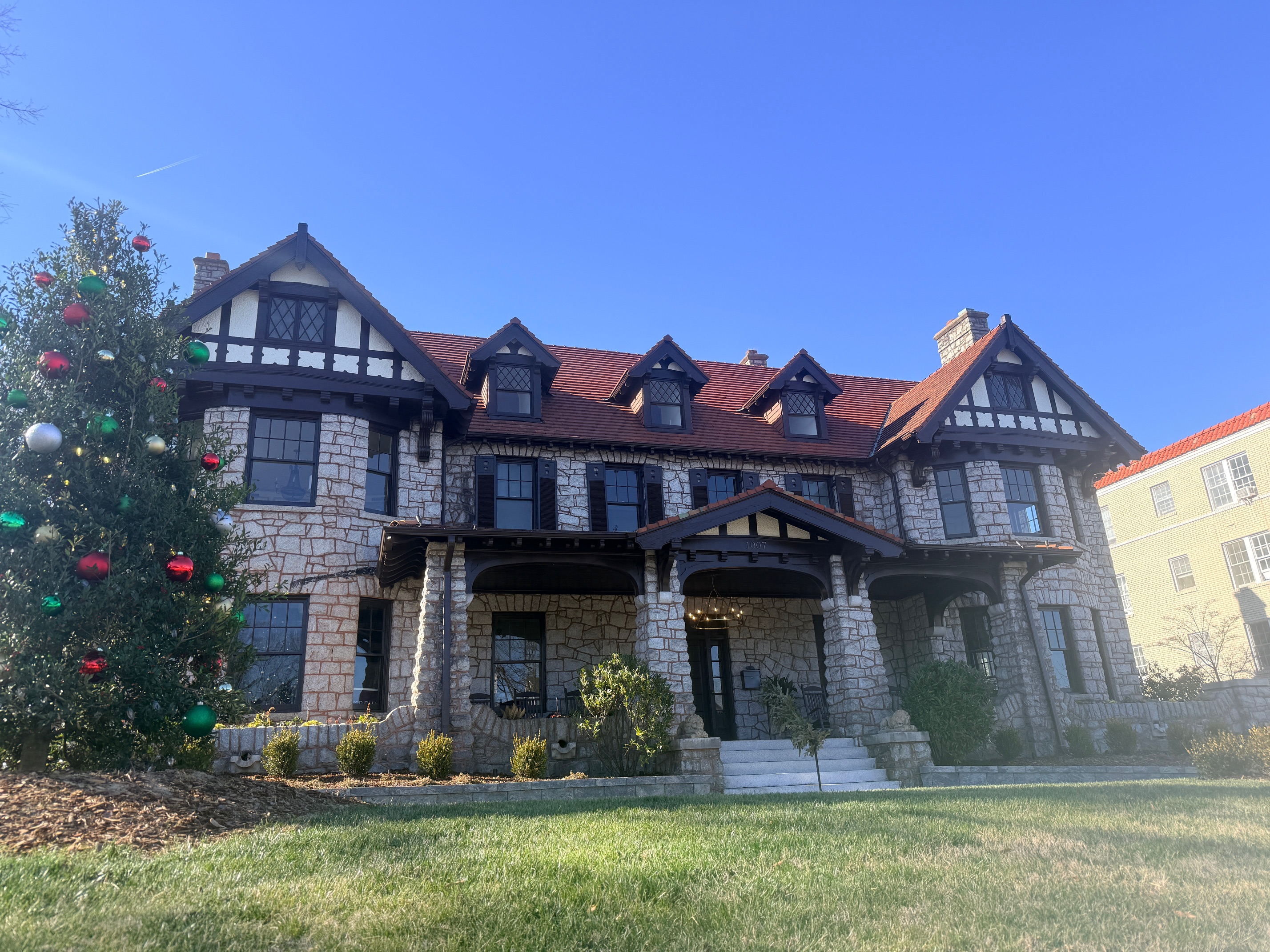
The centerpiece of Matawan’s history is the Burrowes Mansion, built in 1723. Originally a three-story home for the Bowne family, it was purchased in 1769 by John Burrowes, Sr., a wealthy merchant known as the “Corn King” for his vast agricultural supplies.

- The Patriot Hub: Burrowes was a fierce Patriot and a member of the Sons of Liberty. He allowed the local militia to drill on his front lawn—a bold move that drew the ire of local British Loyalists.
- The Raid of 1778: On May 28, 1778, British troops launched a surprise raid on the town (then called Middletown Point). They burned mills, storehouses, and ships along the creek.
- The Escape: Legend has it that John Burrowes, Jr., an officer in the Continental Army, was visiting his wife at the mansion when the British arrived. He reportedly leaped out of a rear window—leaving a single boot behind—and swam across Matawan Creek to hide in the woods.
- The Scars of War: Unable to find him, the British pushed into the house, striking his wife, Margaret, with a sword hilt when she refused to surrender her shawl to bind a soldier’s wound. Today, you can still see bullet holes in the attic plaster from where the frustrated soldiers fired shots into the ceiling.
1916: Terror in the Creek
Matawan’s most chilling chapter occurred in July 1916, during a heatwave that drove residents to the water. While shark attacks had occurred at the Jersey Shore earlier that month, Matawan was 11 miles inland from the ocean. No one believed a predator could reach the town.
- The Warning: Capt. Thomas Cottrell spotted an 8-foot shark in Matawan Creek, but the town dismissed him as “delusional” from the heat.
- The Attack: At 2:00 PM on July 12, a group of boys was swimming near the Wyckoff dock. An 11-year-old named Lester Stillwell was attacked and pulled under.
- The Sacrifice: Local businessman Watson Stanley Fisher, 24, dived into the water to recover the boy’s body. He was also attacked in front of the horrified townspeople. Fisher succumbed to his injuries that afternoon.
- The Legacy: This terrifying event served as a primary inspiration for Peter Benchley’s novel, Jaws.
1918: The Sky Falls
Just two years after the shark attacks, Matawan was rocked by the Gillespie Shell Plant Explosion in nearby Sayreville. On October 4, 1918, a series of explosions at the massive ammunition facility lasted for three days.
- The Impact: The blasts were felt 50 miles away. In Matawan, plate-glass windows shattered, and the town was evacuated as “shells” and debris rained down.
- Structural Damage: At the Burrowes Mansion, the intensity of the blast caused a plaster ceiling to collapse, exposing the home’s original hand-hewn beams. They remain exposed to this day as a permanent reminder of the disaster.
If You Visit
Matawan is an active community with a historic downtown that feels like a step back in time.
- Location: Main Street, Matawan, NJ 07747.
- The Burrowes Mansion Museum: Located at 94 Main Street, the museum is operated by the Matawan Historical Society. It is the best place to see the bullet holes and structural “scars” from the town’s history.
- Matawan Creek: You can still visit the area near the old docks where the 1916 attacks took place, though the water is much quieter today.
- Downtown: The historic storefronts along Main Street offer a glimpse into the town’s era as a thriving Victorian-era industrial hub.
For More Information:
- Matawan Historical Society (www.matawanhistoricalsociety.org)


Leave a Reply