
Iron, Fire, and Pine: The Industrial Soul of Batsto Village
Deep within the Pinelands National Reserve lies a curious village that feels frozen in time. Rising above the cedar-colored waters of Batsto Lake is a 116-foot Italianate tower, a sentinel once used to watch for the forest fires that perpetually threaten the surrounding scrub pine.

This is Batsto Village, a place where the unique, renewable resources of the New Jersey “Pine Barrens” fueled a century of industrial might. Far from the suburban sprawl, this restored site in Burlington County offers a rare look at a company town that powered a young nation and was later saved by the vision of a business titan.

The Bog Iron Empire
Long before the industrial giants of the 19th century, Batsto was a pioneer. In 1766, Charles Read built the first iron furnace here, capitalizing on the abundant, raw materials of the swamp.
- Bog Ore: Mined directly from the banks of local rivers and lakes.
- Charcoal: Sourced from the surrounding pitch pines to fuel the furnace.
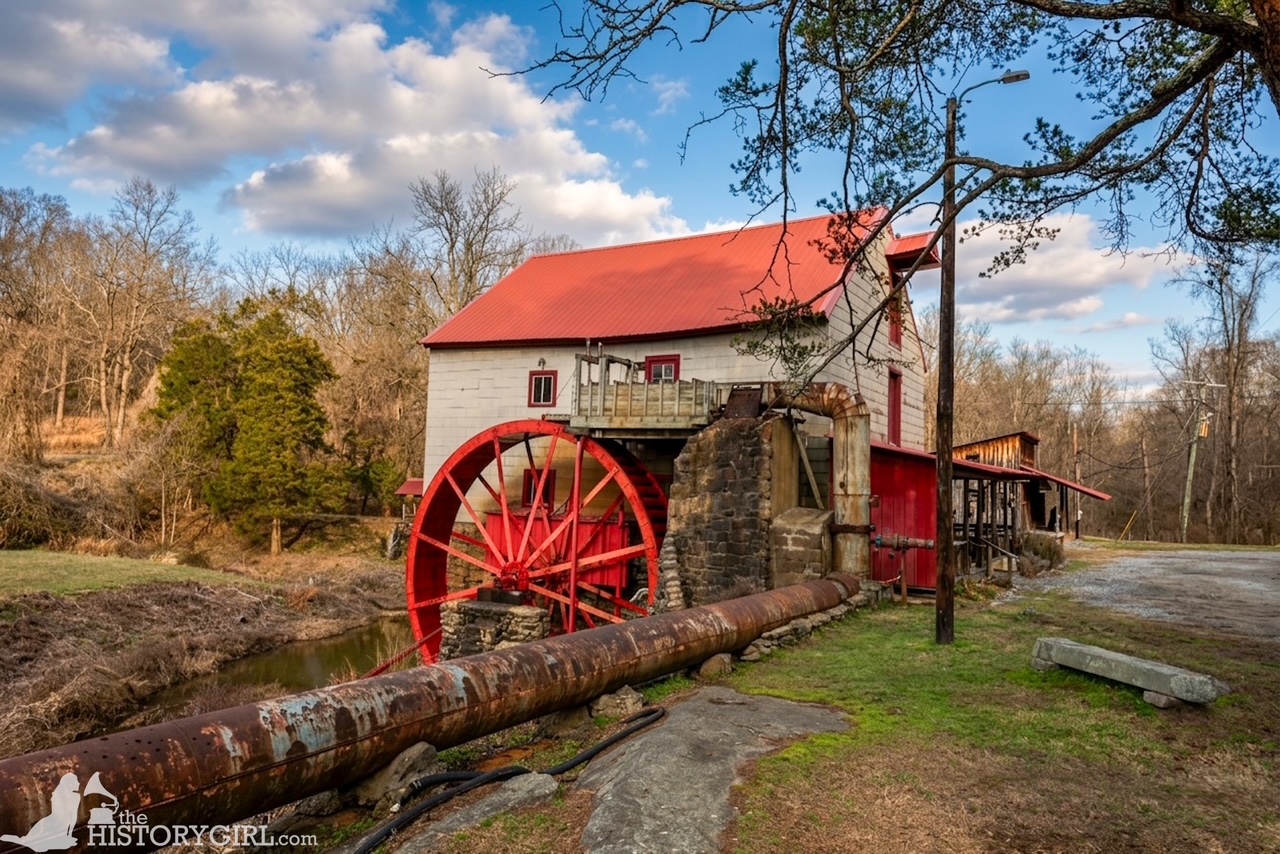
- Water Power: The Batsto River provided the energy needed to drive machinery.
During the American Revolution, Batsto became an arsenal for the Continental Army, casting cannons and munitions. Decades later, during the War of 1812, it hummed again to produce cannonballs for the fight against the British.
The Richards Dynasty (1784–1854)
For nearly a century, the Richards family ruled Batsto like feudal lords. Under patriarchs like William and Jesse Richards, the village expanded into a self-sufficient empire.
- The Post Office: Authorized in 1852 by President Millard Fillmore, the Batsto Post Office is still active today. It is one of only four in the nation that continues to cancel mail by hand due to its historic status.
- Company Life: The family built tenant cottages, a general store, a grist mill (1828), and a sawmill. While many furnaces utilized enslaved labor, records indicate the Richards did not, though they maintained total control over their workers’ welfare and disputes.
Eventually, the exploitation of bog iron deposits and competition from large-scale Pennsylvania coal furnaces led to Batsto’s decline. After a disastrous fire in 1874 destroyed much of the ironworks, the era of the Richards family came to an end.
Joseph Wharton and the Great Water Scheme
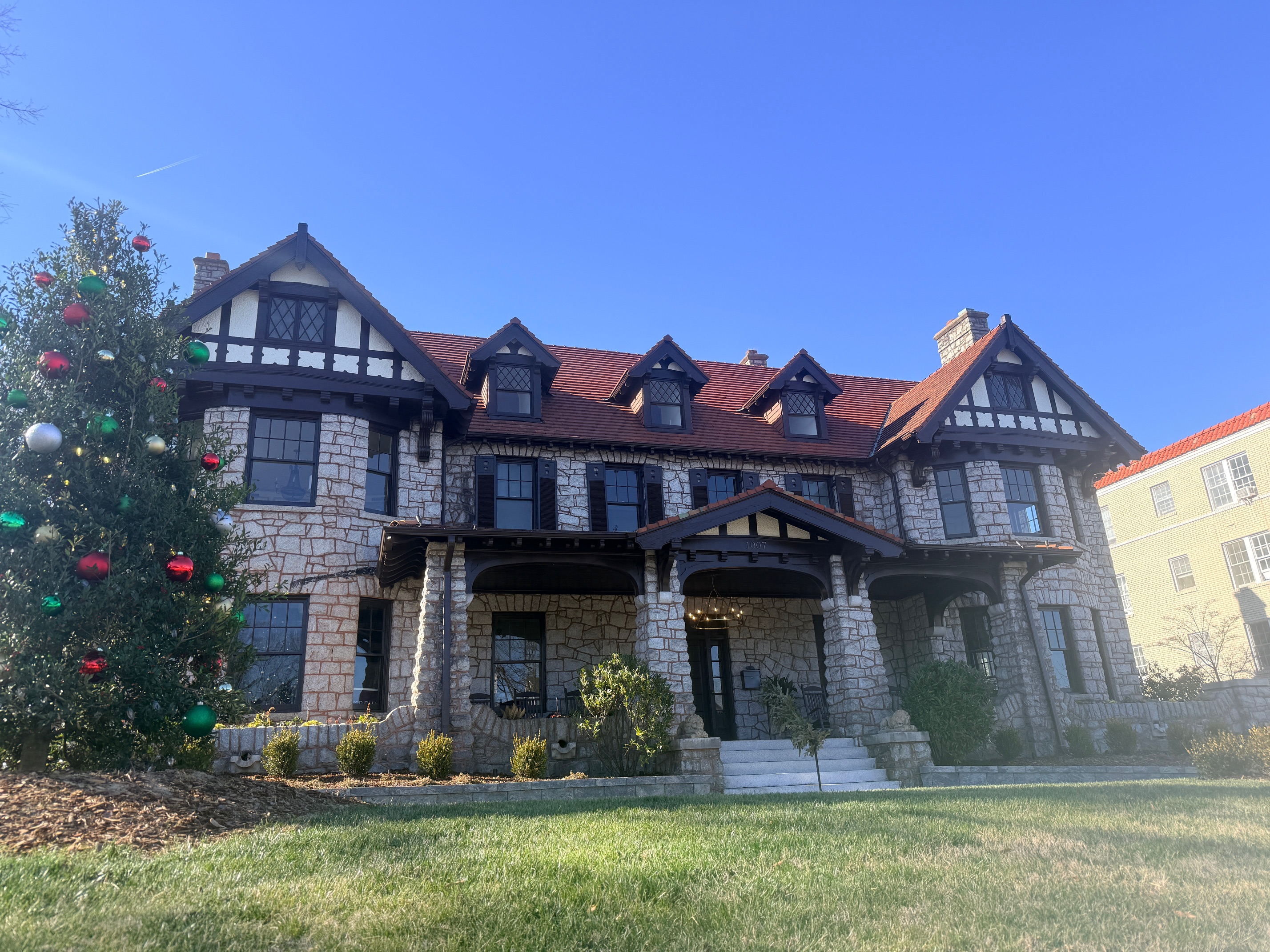
In 1876, the industrialist Joseph Wharton (founder of the Wharton School of Business) purchased the 100-square-mile estate for just $14,000. Wharton transformed the Iron Master’s house into the 36-room mansion we see today, adding the iconic fire lookout tower.
Wharton’s interest in the Pine Barrens wasn’t just aesthetic; he had a grand plan to export the Pinelands’ pristine water to a polluted Philadelphia. However, the New Jersey Legislature passed a law in 1884 prohibiting the sale of New Jersey water outside state lines—a law that remains on the books to this day. Denied his water scheme, Wharton turned to agriculture, successfully growing cranberries and experimenting with sugar beets in the sandy soil.
A Forest Reclaimed
Following Wharton’s death in 1909, the property was managed by a trust until 1954, when the State of New Jersey purchased the land to create the Wharton State Forest. Today, the 100,000-acre forest protects Batsto and its sister village, Atsion, from development.
The village buildings are in remarkable states of preservation. The mansion underwent a major restoration just a few years ago, and the outbuildings—from the blacksmith shop to the worker cottages—receive regular maintenance to preserve the legacy of this “city in the pines.”
If You Visit
Batsto Village is a living museum located within the Wharton State Forest, open year-round for self-guided and guided tours.
- Location: 31 Batsto Rd, Hammonton, NJ 08037.
- The Post Office: Bring a postcard; the hand-canceled “Batsto” mark is a unique collector’s item.
- The Mansion: Guided tours of the 36-room home are available (check seasonal schedules).
- Nature Trails: The village is a trailhead for the famous Batona Trail, offering miles of hiking through the pristine Pinelands wilderness.

For More Information:
- Batsto Village Official Site (www.batstovillage.org)


Leave a Reply to UnknownCancel reply