
The Plantation of the Peacemaker: Inside the Henry Antes House
In Montgomery County, Pennsylvania, standing firm against the elements since 1736, is a home that tells the story of the German immigrant experience in America.
Built by Henry Antes, a master builder and religious leader, this house was more than just a residence. It was a diplomatic center, a Revolutionary War headquarters for George Washington, and the site of a pioneering experiment in interracial education.
Today, the Henry Antes House is a National Historic Landmark, celebrated not only for who lived there, but for how it was built—a rare surviving example of pure Germanic medieval architecture in the New World.

The Architect and The Peacemaker
Johann Heinrich “Henry” Antes arrived in Pennsylvania from the Rhineland-Palatinate region of Germany around 1720. A man of immense energy and intellect, he moved his family to the sparsely settled “Falkner’s Swamp” (now Frederick Township) in 1736.
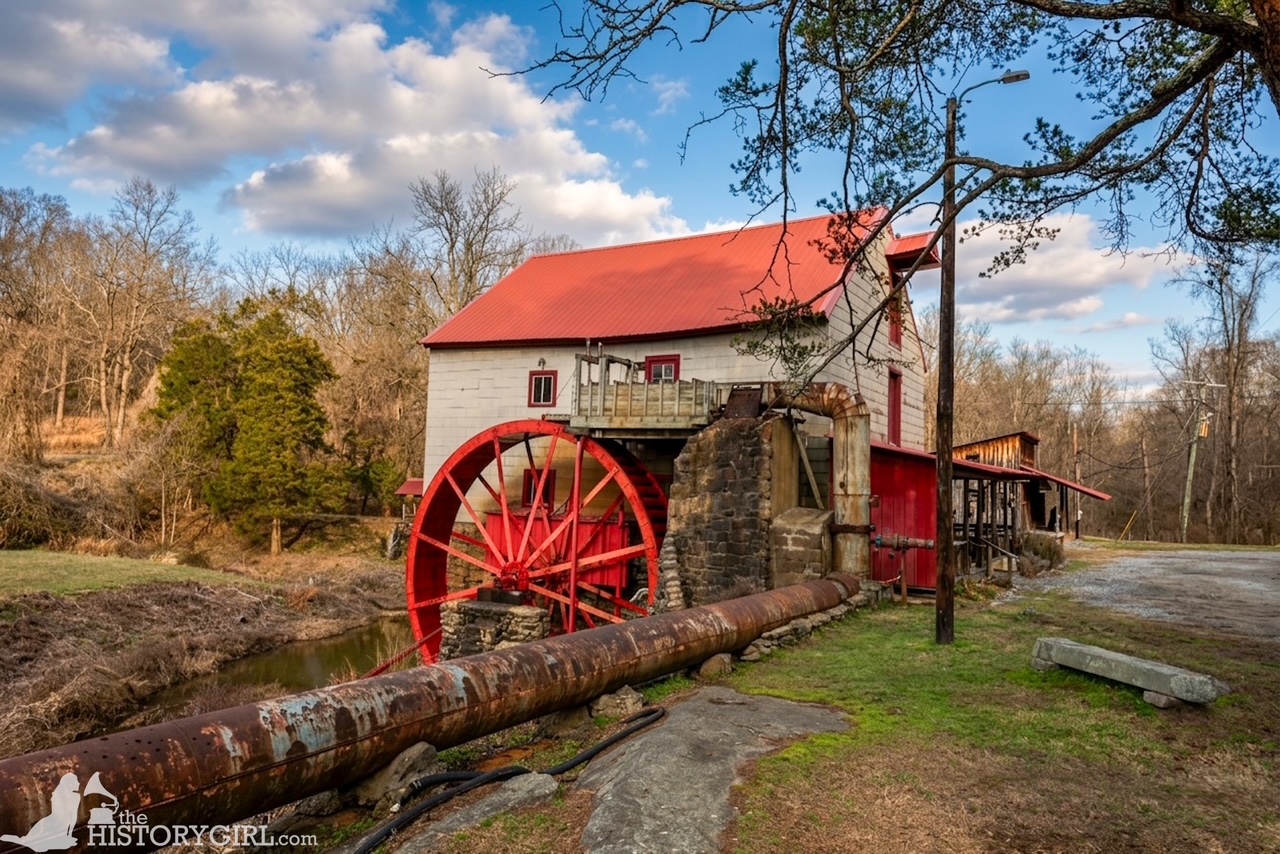
There, he built a grist mill and a massive plantation home. But Antes was not content with just building structures; he wanted to build bridges.
- The Unifier: Although raised in the Reformed Church, Antes joined the Moravians and worked with Count Zinzendorf to unite the various squabbling German Protestant sects in Pennsylvania.
- The Legacy: His descendants carried on his brilliance. His son, John Antes, was the first American-born composer of chamber music and made the first violin in America. His grandson was Benjamin Henry Latrobe, the Architect of the U.S. Capitol.
A Pioneering School
Perhaps the most fascinating chapter of the home’s history occurred in 1745, when Antes offered his home as a boarding school for the Moravians. It became known as the “Frederickstown School.”
At a time when segregation was the norm, this school was distinct for its inclusivity.
- Enrollment Statistics: In early 1745, the school boarded 23 boys. By the end of that year, the number of pupils rose to 34.
- Demographics: The student body was notably diverse for the era. Historical records confirm that among the students were a Mohegan Indian student and a Black student from St. Thomas in the West Indies. This makes the Antes House the site of one of the earliest known interracial and nonsectarian schools in the American colonies.
A Medieval German Masterpiece
While most colonial homes in the region were simple log cabins, the Antes House was a statement of permanence. It is a prime example of a Germanic Settlement House.
The “Continental Plan”: The house follows a traditional three-room floor plan brought over from Europe:
- The Kuche: A large kitchen dominated by a massive hearth.
- The Stube: A parlor for gathering.
- The Kammer: A first-floor bedroom.
Unique Architectural Features:
- Stroh-lehm Ceilings: The ceilings are constructed using a technique rarely seen in America today called stroh-lehm (straw-mud). This involves grooved floor joists fitted with wooden staves wrapped in mud and straw for insulation.
- The Spirit Window: Set low in the first-floor wall is a small opening known as the Seelen Fenster (Spirit Window). In Pennsylvania German folklore, this window was opened immediately upon a person’s death to allow their spirit to escape the house, and then quickly closed to separate the spiritual world from the living.
George Washington’s Rainy Headquarters
During the Revolutionary War, the house was owned by Henry’s son, Colonel Frederick Antes. Because Frederick was a staunch Patriot with a British price on his head, the house became a safe haven for the Continental Army.
From September 22 to September 26, 1777, General George Washington used the house as his headquarters.
- The Conditions: It was a miserable stay. The army was retreating, hungry, and battered by constant rain and cold winds.
- The Guest List: Along with Washington, the house hosted legendary figures including Generals Greene, Sullivan, Knox, Pulaski, and Lord Stirling.
The Living History
The house eventually passed out of the family but was saved from ruin by the Goschenhoppen Historians in 1987.
Every August, the grounds come alive for the Goschenhoppen Folk Festival. Over 500 costumed volunteers descend on the property to demonstrate authentic 18th and 19th-century trades. Unlike typical fairs, there are no modern intrusions—just authentic blacksmithing, open-hearth cooking, and Pennsylvania Dutch culture, keeping the spirit of Henry Antes alive.
If You Visit
- Location: 318 Colonial Road, Perkiomenville, PA 18074.
- Tours: The house is typically open for tours during the Folk Festival in August and for special events throughout the year.
- The Festival: The Goschenhoppen Folk Festival is generally held on the second weekend of August.
For More Information
- Goschenhoppen Historians, Inc. (www.goschenhoppen.org)
Leave a Reply