
Maplewood’s Hidden Treasure: The Durand-Hedden House & Garden
Maplewood, New Jersey, is celebrated for its charming neighborhoods and commitment to preservation. But to understand how this suburb grew from a collection of farms into a bustling commuter town, you have to visit its crown jewel: the Durand-Hedden House.

Owned by the Township and managed by a dedicated non-profit, this house is not frozen in a single moment in time. Instead, it is a timeline in wood and stone, showing how a humble 1790 farmhouse evolved over two centuries.
The Hedden Era: The Farmhouse (c. 1790)
The story begins in 1776, a pivotal year for the nation and for the Hedden family. Ebenezer Hedden conveyed 24 acres of land in what was then Newark Township to his son, Obadiah Hedden.
By 1790, Obadiah had expanded the farm to 50 acres. It was around this time that he and his wife Susannah built the original core of the house.
It was a modest, pragmatic structure: a side-hall farmhouse built with post-and-beam construction. It featured a second-floor garret (loft) and low ceilings to conserve heat—a design typical of the hardworking agrarian families of the era.
The Durand Era: The Artist’s Touch (1812–1866)
In 1812, the house was sold to Henry Durand, a man with a famous last name. Henry was the brother of Asher B. Durand, the renowned landscape painter and father of the Hudson River School art movement.
While Asher lived next door, Henry made his own mark here. A concert violinist and clockmaker, Henry lived in the house with his wife Electa until 1846.
The Greek Revival Expansion: It was likely Henry’s son, James Madison Durand (a prominent Newark jeweler), who gave the house its grand makeover around 1850. To keep up with the styles of the time, he expanded the home significantly:
- The Addition: A three-story wing featuring two parlors and a side porch.
- The Style: He added a Greek Revival front door and peaked dormers.
- The Contrast: If you visit today, pay attention to the ceilings. The original 1790 section has low farmhouse ceilings, while the 1850 addition features the lofty, airy ceilings that were fashionable in the Victorian era.
The Ripley Era & The Rescue
In 1923, the William Chauncey Ripley family purchased the home. They modernized the kitchen and added a maid’s quarters using local red sandstone—carefully matched to the original 1790 kitchen hearth.
However, after the Ripleys left in 1971, the house sat abandoned. By 1977, it was on the brink of demolition.
In a victory for local preservation, Maplewood Mayor Robert Grasmere stepped in to save the property. The Township purchased the site, and the Durand-Hedden House & Garden Association was formed in 1979 to restore it.
A Living Museum
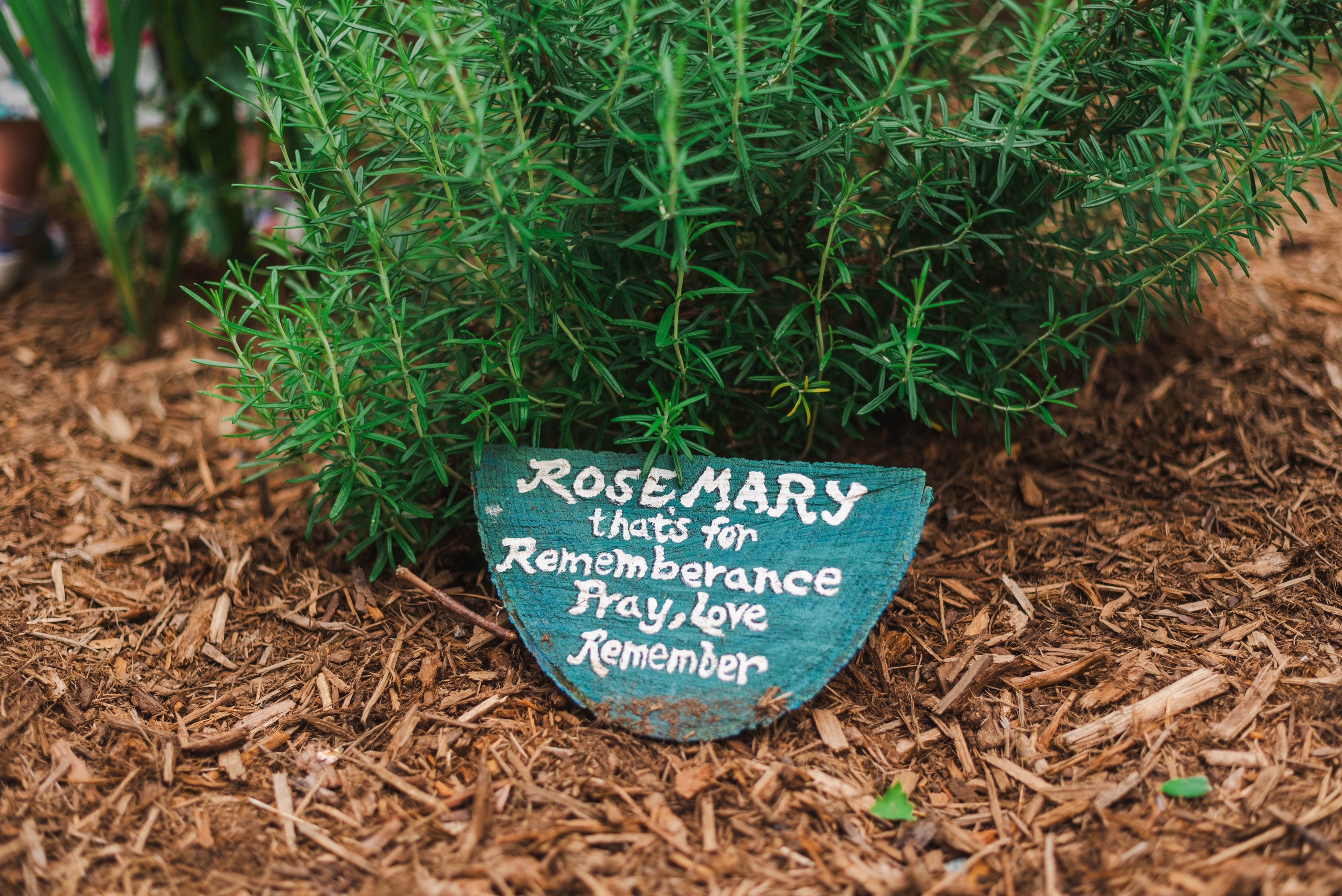
Today, the house sits on two acres of picturesque land (part of Grasmere Park) that also includes an herb garden and a carriage house gift shop.
Restoration is an ongoing labor of love:
- The Kitchen: The massive hearth in the original 1790 kitchen features a reconstructed beehive oven, used for baking bread before the invention of cast-iron stoves.
- The Paint: In 2014, the house was repainted in a striking straw-and-green color scheme. This wasn’t a random choice; a microscopic paint analysis revealed these were the authentic colors used during the house’s history.
Exhibits and Events
Unlike museums with static displays, Durand-Hedden is a dynamic community hub. The association hosts rotating exhibits that dive deep into local history.
Past exhibits have explored:
- The Maplewood Theater: Featuring artifacts like a pump organ and vintage playbills.
- The Durand Family: Highlighting the artistic legacy of the Hudson River School.
- Architecture: Profiling the architects who built the iconic homes of Maplewood.
If You Visit
- Location: 523 Ridgewood Road, Maplewood, NJ 07040.
- Open House: The museum is generally open once a month (usually a Sunday afternoon) for specific programs and events.
- Admission: often free (donations appreciated).
For More Information
- Durand-Hedden House & Garden Association (www.durandhedden.org)

Leave a Reply