
Flemington’s “Castle” That Wasn’t: The Samuel Fleming House
Flemington, New Jersey, is famous for its grand historic courthouse and bustling Main Street. But the oldest structure in town isn’t a government building or a mansion—it is a humble two-story home tucked away on Bonnell Street.
This is the Samuel Fleming House Museum & Gardens. Built in 1756, it sits on the land originally owned by the man who gave Flemington its name.

For decades, locals knew this house as “Fleming Castle.” If you visit expecting a fortress with turrets and a moat, you will be disappointed. However, if you are looking for a fascinating slice of Colonial history and a lesson in how local legends are born, you are in the right place.
The Man Behind the Name
Samuel Fleming was born in County Cork, Ireland, in 1707. He immigrated to the New World as a young man and married Esther Mournier, a French Huguenot.
In 1756, Fleming purchased 105 acres of land from William B. Potter (part of a tract originally held by William Penn). He built this house on a knoll and helped establish the settlement that would eventually bear his name: Fleming’s Town.
Myth vs. Reality
Determining the true history of this house has been a headache for historians for a century. Let’s dispel a few of the biggest myths surrounding the property.
Myth #1: It is a Castle. Fact: The house is a classic “Bank House,” built into the side of a hill (buried on one side, exposed on the other). In 1906, the local chapter of the Daughters of the American Revolution (DAR) renamed the home “Fleming Castle” and placed a stone tablet out front that remains today. Why “Castle”? There is no documentation explaining it. It was likely a romanticized notion—perhaps referencing the idea that “a man’s home is his castle”—or simply because, in 1756, a two-story stone home was significantly larger than the log cabins surrounding it.
Myth #2: It was a Tavern. Fact: Samuel Fleming was a tavern keeper. However, historians believe his tavern was located on King’s Highway (now Main Street) to catch traveler traffic. No tavern license has ever been found for this specific house. It was likely just his private residence. Note: The museum has furnished one room as a “Taproom” to show visitors what Fleming’s actual tavern might have looked like.
Myth #3: George Washington Slept Here. Fact: This is the most common myth in New Jersey history! While Washington was headquartered nearby and certainly dispatched letters from “Fleming’s Town,” there is no evidence in his extensive diaries that he ever stayed at, or even visited, this specific house.
A House of Many Lives
The house has evolved significantly over 270 years.
- 1756: The original stone section was built.
- 1860: A Victorian-style, two-story addition was added to the rear, featuring higher ceilings.
- The 20th Century: For decades, the house was owned by the DAR. They utilized the Victorian addition for meetings while the original colonial section was occupied by a tenant with a touching story.
Bertha Baker: The Lady in the Window The most famous resident wasn’t Samuel Fleming, but Bertha Baker. Adopted by the Miller family (who owned the house in the late 1800s), Bertha lived in this house from the age of two until her death in 1986 at age 92. For nearly a century, she was a fixture of Bonnell Street, famous for waving to schoolchildren from the window.
The Restoration
In 2005, the Borough of Flemington purchased the property to ensure its preservation.
In 2009, the non-profit board made a difficult decision: they officially dropped the name “Fleming Castle.” They felt the name was misleading to visitors expecting grandeur. It was renamed the Samuel Fleming House Museum & Gardens.
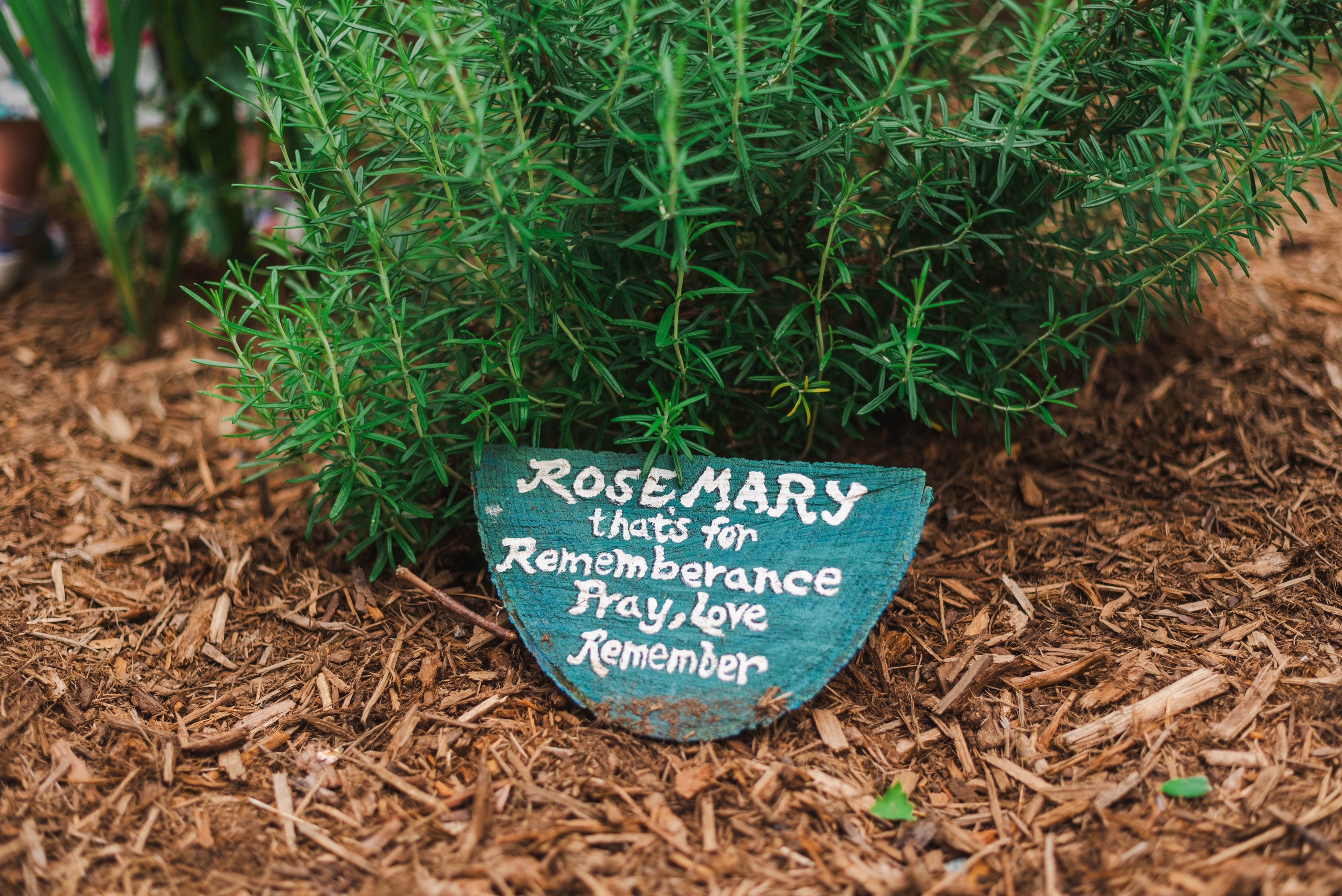
While the name has changed, the history remains. The house features a recreated colonial kitchen with a large hearth, the Victorian addition, and a lovely period garden maintained by volunteers.

If You Visit
The house is a short walk from the historic Union Hotel and the Courthouse.
- Location: 5 Bonnell Street, Flemington, NJ 08822
- Status: The museum is generally open for tours by appointment and during special community events (like the town’s holiday house tours or garden walks).
- Don’t Miss: The Garden. It is a quiet, manicured oasis in the middle of town, perfect for a short stroll even if the house is closed.

Leave a Reply