
Tobacco Town: The Legacy of the George W. Helme Snuff Mill
Helmetta, New Jersey, is a town built on a single dream: the creation of a self-sufficient industrial empire. Over a century ago, George Washington Helme transformed a rural patch of Middlesex County into a world-class manufacturing center. Today, the massive red-brick buildings of the Helme Snuff Mill stand as silent monuments to the ingenuity and foresight that defined this classic American company town.

The Vision of George Washington Helme
While Helmetta was officially incorporated in 1888, its history as an industrial hub truly began in 1880. George Washington Helme—a former New Orleans lawyer and a Major-General in the Confederate Army—purchased the land with the goal of building both a snuff mill and a community to support it. He named the town by combining his surname (Helme) with the name of his daughter, Antoinette (Etta).
Helme was a man who understood the value of industry. Born into poverty in 1822, he rose through clerkships in the coal industry and a law career in Louisiana before marrying into the Appleby family of Spotswood, New Jersey. His father-in-law, Leonard Appleby, had operated a snuff mill on the site as early as 1825. In 1872, Helme became the sole owner, and by 1884, he incorporated the George W. Helme Company with a staggering $500,000 in stock.
A Model Company Town
Under Helme’s leadership, Helmetta grew from a sleepy outpost of two houses into a prosperous, well-manicured municipality.
- Worker Housing: To house his labor force, Helme constructed 105 uniform brick homes for his workers. Later, in the early 20th century, he added craftsman-style bungalows on Club Drive.
- Community Resources: Helme built a company general store, a school, and churches (St. George’s Episcopal and Holy Trinity Roman Catholic).
- Social Life: The town featured a recreation center known as “Club Hall” and the socially exclusive “Helmetta Club,” ensuring that every aspect of a worker’s life—from labor to leisure—was tied to the company.
At the time of his sudden death from a heart attack in 1893, Helme was the wealthiest man in Middlesex County, leaving an estate worth an estimated $5 million (approximately $160 million in 2024 dollars).
The Snuff Mill Complex: A Global Powerhouse
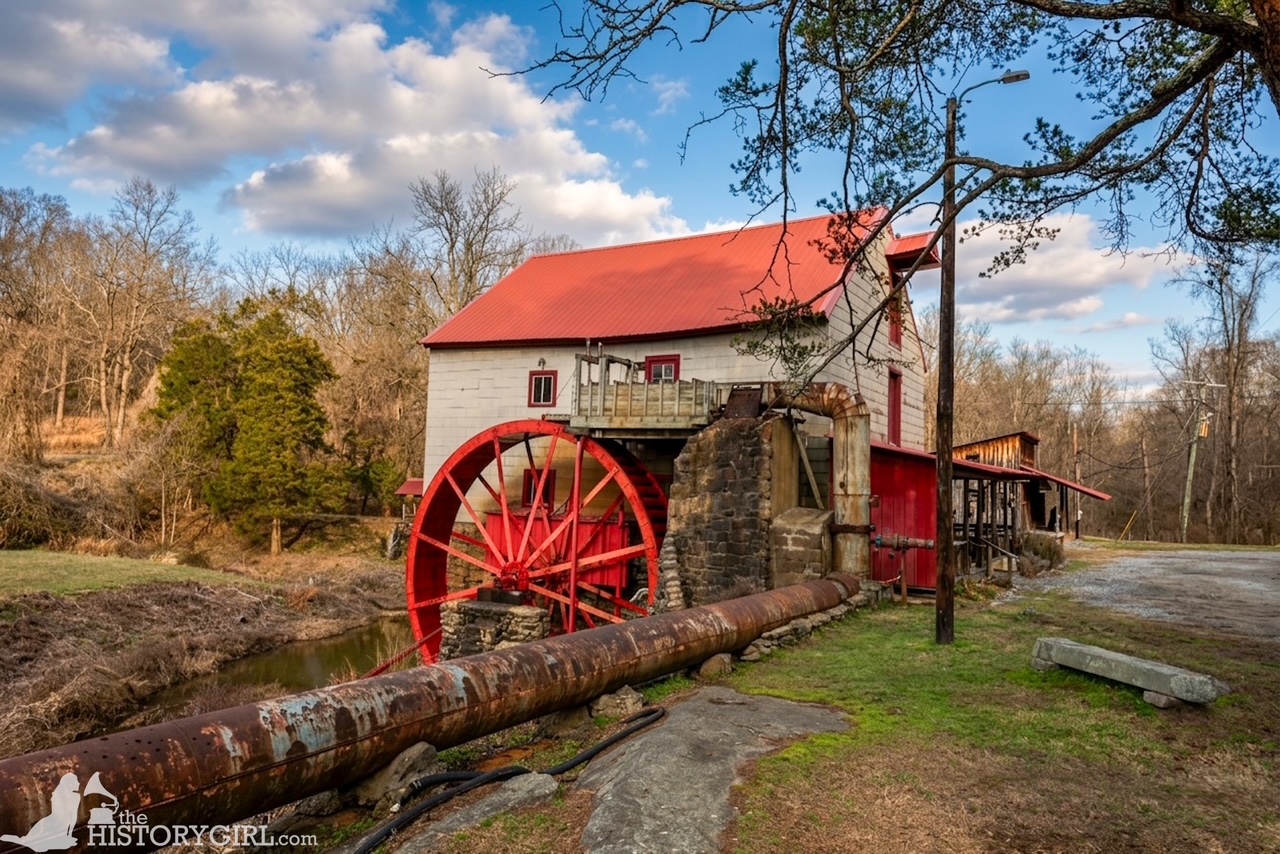
The Helme mill wasn’t just a local business; by 1925, it was the largest snuff mill complex in the world. The site was a marvel of 19th-century engineering, utilizing both water power from the local mill pond and the Camden & Amboy Railroad to move tobacco and finished goods.
- Production Scale: In 1910, the mill employed 500 people. Even during the modernization of the 1940s and 50s, the workforce remained between 350 and 450 employees.
- Global Reach: By 1962, the mill produced over 40 different brands of snuff. It supplied approximately one-third of all dry snuff used in the United States, with a massive market in the Southern states.
- Industrial Persistence: The mill remained the world’s largest producer of sweet snuff as late as 1988. Operations finally ceased in 1993, ending 160 years of production when the company moved to West Virginia.
Decline and Redevelopment
Following the 1993 closure, the “sweet smell of snuff” that had defined Helmetta’s air for generations vanished. The complex sat vacant for years, facing the threat of demolition. However, preservationists and the Helmetta Historical Society fought to save the architectural soul of the town.
Today, the site is undergoing a massive transformation:
- Adaptive Reuse: The original mill buildings (including Buildings A, B, C, and D) are being converted into luxury apartments.
- Preserving History: The redevelopment plan includes 200 housing units designed to be sensitive to the original industrial aesthetic, along with a 3,000-square-foot community center for the residents of Helmetta.
- Remnants of the Past: While the tobacco warehouses (the “hoggies”) were demolished in 2007, the boiler house, coal trestle, and pump house remain as physical reminders of Helme’s industrial engine.
If You Visit
Helmetta remains a uniquely preserved snapshot of the “Company Town” era in New Jersey.
- Main Street: Stroll past the uniform worker housing and the imposing factory buildings that still cast a shadow over the town center.
- Public Buildings: See the former Public School (now Borough Hall) and the historic general store at 66 Main Street.
- The Churches: Visit St. George’s Episcopal Church (1855) and Holy Trinity (1911), which once served the diverse immigrant workforce Helme brought to the region.
The History Girl’s Recommended Reading
The Engineer’s Wife: A Novel of the Brooklyn Bridge by Tracey Enerson Wood
If you enjoyed reading about the Roebling legacy, you must read this captivating novel. It tells the story of Emily Roebling, who took over the supervision of the Brooklyn Bridge’s construction when her husband became ill. It’s a powerful look at the woman behind the “Eighth Wonder of the World.”
As an Amazon Associate, I earn from qualifying purchases.


Leave a Reply