
The Secret Language of Flowers
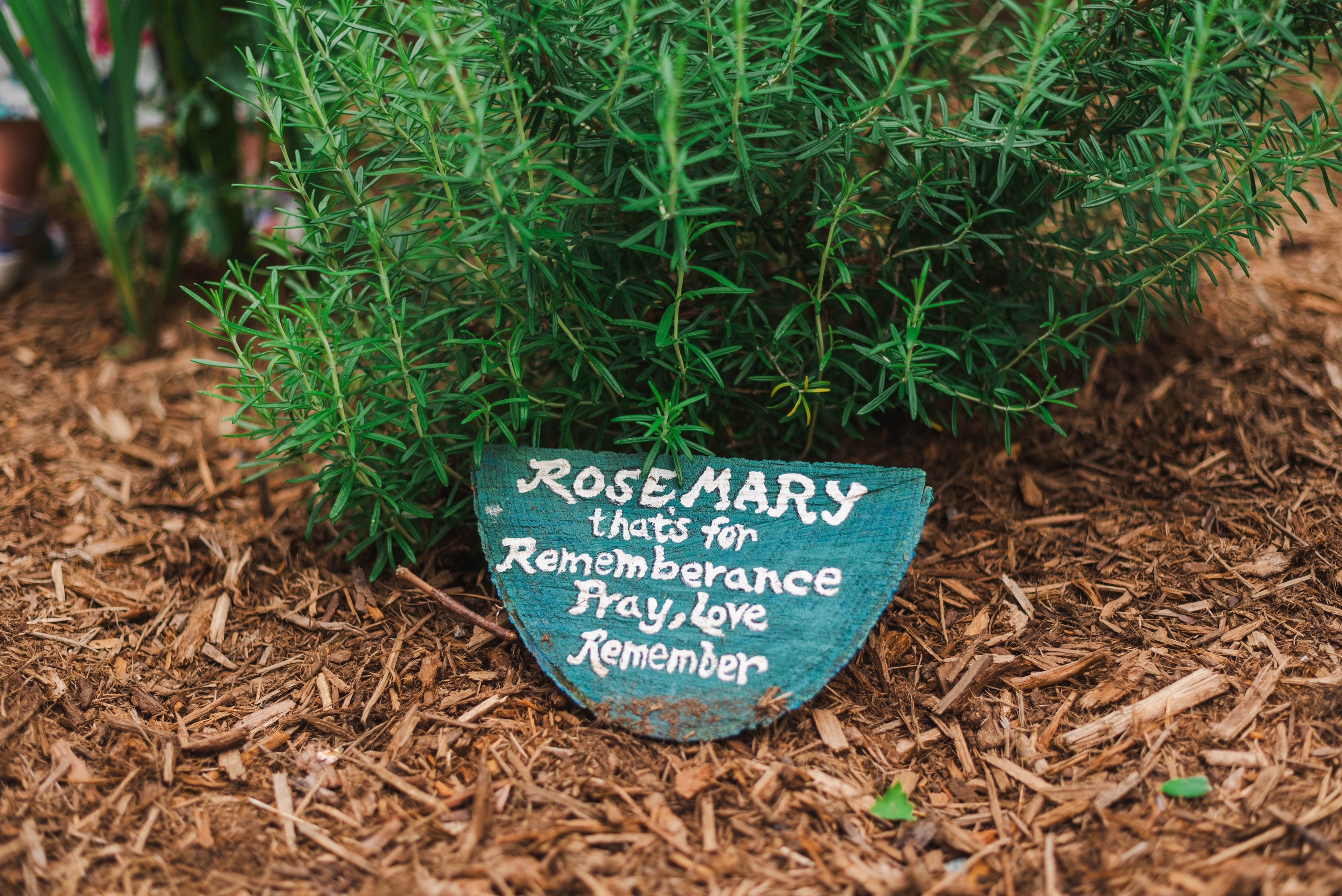
Imagine receiving a bouquet and immediately understanding a hidden message tucked inside. A red rose might mean love. A yellow carnation could signal disappointment. A sprig of rosemary might say, “Remember me.”

As strange as it sounds today, people once used flowers to communicate things they could not—or would not—say aloud.
The practice became especially popular during the Victorian Era, when strict social rules often limited direct expressions of emotion. Courtship, friendship, and even disagreements could be conveyed through carefully chosen flowers. This system became known as floriography, or the language of flowers.
The idea did not begin in Victorian England. Similar traditions existed in earlier cultures, including the Ottoman Empire, where symbolic objects and flowers were sometimes used to convey messages. By the early 1800s, books explaining the meanings of flowers became fashionable in Europe and America, turning floriography into something of a social trend.
Victorian flower dictionaries assigned meanings to hundreds of plants. Some were straightforward. Red roses represented love and passion. White lilies symbolized purity. Forget-me-nots, as their name suggests, represented remembrance.
Others were more surprising.
A yellow rose, often associated with friendship today, could sometimes symbolize jealousy. Basil, now more likely to be found in a kitchen garden than a bouquet, was occasionally linked to hatred. Even the way a flower was presented could alter its meaning. A flower given upside down might communicate the opposite sentiment from one given upright.
Bouquets could become surprisingly complicated. A carefully arranged nosegay might contain several flowers, each contributing a word or sentiment to a larger message. To those familiar with the symbolism, an arrangement could read almost like a letter.

Of course, there was one problem: not everyone agreed on the meanings.
Different flower dictionaries often assigned different messages to the same bloom. A flower that symbolized friendship in one book might represent something entirely different in another. This likely led to more than a few misunderstandings.
Despite these inconsistencies, the language of flowers became a popular pastime. Flower dictionaries were printed in large numbers, and floral symbolism appeared in artwork, literature, greeting cards, and decorative objects throughout the nineteenth century.

Today, most people choose flowers based on appearance rather than hidden meanings. Yet traces of the old language remain. Red roses are still associated with romance. White flowers are common at weddings. Forget-me-nots continue to symbolize remembrance.
The next time you walk through a garden or receive a bouquet, consider that those blooms once carried messages of love, friendship, grief, hope, and longing. Long before text messages and social media, flowers helped people say what words sometimes could not.

Leave a Reply